

My Husband and I Disagree on Discipline
Disclaimer: This post is written specifically for mothers who practice gentle, positive discipline. Our Small Hours supports the use of attachment parenting and gentle, positive discipline and does not support the use of physical punishment.
My husband and I are compatible in many ways, but we also disagree on our fair share of things. One of the most difficult things that has happened in our marriage is when my husband and I disagree on discipline. Parenting our children is the one place where we have to come together and make decisions every single day. When we are out of sync on a parenting issue, we really learn what compromise means.
Neither my husband nor I were parented in the way that we parent our children. We’ve chosen to use positive, gentle discipline and to use natural and logical consequences instead of using punishment. This type of discipline was not modeled for us by our parents. We’ve had to learn how to parent this way and, frankly, it hasn’t come easily. We’ve stuck with it because we believe in it and because we’ve seen great results from it. However, when we married we both had ideas about how we’d raise our children and we both had differing views of what that would look like.
When Husband and Wife Disagree on Discipline
One of the biggest arguments my husband and I have had is over whether or not to use physical punishment with our children. I have never seen spanking as an option for disciplining my children. Similarly, my husband believed that spanking children under the age of five was not a good idea. When our oldest was born, just ten months into our marriage, I made the assumption that my husband and I agreed on discipline. Imagine my surprise when my son was three and my husband mentioned that he wouldn’t be opposed to using physical discipline after my son turned five. As a new mom, who felt very protective of my child, I was furious to hear that my husband would ever consider using physical punishment..
My overreaction to my husband’s mention of corporal punishment led him to shut down and we got nowhere. Later, after I’d calmed down and could talk about our disagreement in a healthy way, my husband was able to explain his reasoning. We both agreed that we couldn’t think of any reason we’d ever need to use physical punishment, but as a new parent, my husband wasn’t willing to discard any discipline tool until he was certain that it was ineffective.
Because of my studies in childhood development and family therapy, I had read the research about the ineffectiveness of physical punishment and about the damage that it could do. Because I spent time with other moms who shared my views about spanking, I had a very narrow view of what was acceptable discipline and what wasn’t. I made the assumption that everyone knew what I knew and that my husband would never consider this outdated form of punishment. Of course, my husband hadn’t done the same amount of over-analyzing this particular form of discipline as I had and simply saw it as a last resort option if nothing else worked.
The point I want to make here is that our relationship suffered for a time because we couldn’t agree on this one discipline tactic. Eventually, I realized that I was holding a grudge over something that he had never actually done and I knew I had to let go of the negative feelings I felt toward him over it. That was a turning point for us.
What to do When You and Your Spouse Disagree on Discipline
In the time since our big parenting disagreement, I’ve learned a lot about how to work with my husband in areas where our parenting philosophies differ. I’ve learned from him and he’s learned from me. I’ve compromised and he’s compromised. We’ve come together, always with our children’s best interests in mind, and worked through our parenting disagreements as they arise. Today I’ll share my best tips for what to do when husband and wife disagree on discipline.
Learn where your spouse is coming from.
It is very important for you and your husband to understand how you were each raised. Most people go on to parent in a similar way to how their parents raised them. If you were raised differently, this can cause parenting disagreements.
If your spouse was raised in a harsh, authoritative environment, he may have no other example to show him how gentle discipline can work. This will make him less likely to use gentle discipline tactics because he will assume them to be weak and ineffective. On the other hand, if your spouse was raised in a permissive home, he may not have the tools he needs to discipline effectively and may forgo discipline when it is necessary.
Don’t think you are exempt from having brought your own childhood experience to your parenting practices. You may overreact to certain forms of discipline or deem other forms ineffective if you aren’t familiar with them. Talk to your spouse about the way you each were raised and about which methods of discipline you’d like to keep and which you’d like to discard.
Come up with new ways to discipline that you both agree on.
Example: If you think time outs are ineffective, but your husband doesn’t agree that natural consequence are enough, work together to come up with a new discipline tactic that you both feel is appropriate and effective. This is where compromise really comes into play.
If you and your partner are struggling to come up with ideas for discipline that are outside of the time out/privilege loss/physical punishment mainstream ideas, check out this book for some new ideas. 

Lead by example.
If you are a parent who practices gentle discipline and your husband thinks it’s ineffective, show him that it’s not. Don’t waste time trying to change his mind if he’s not receptive. Let the results show him how well positive discipline works to teach your child while maintaining a good relationship with them. This can be difficult because the fruit of the labor of gentle discipline sometimes doesn’t show up for years. In the meantime, stick to your beliefs and continue to discipline your child in the way you feel is best.
Don’t criticize your spouse when he does things differently. Just quietly do what you know to do.
Be able to back up your parenting choices.
If you and your husband disagree about discipline, chances are you each feel pretty strongly about your choices. But, why do you feel so strongly about what you believe? If you have compelling reasons for disciplining your child a certain way, explain those reasons to your spouse. Don’t throw them in his face, but gently show him how you came to well-thought-out conclusion about discipline.
If you haven’t spent time researching discipline practices, then you should. You may find that your convictions grown even stronger, or you may find that they change completely. Don’t be afraid to grow in knowledge and wisdom when it comes to parenting!
Go to a Parenting class together.
There is nothing wrong with both of you learning new tools. A parenting class is a great way to do that. You’ll both learn new things about childhood development and about parenting that can help you to make the best discipline choices for your children.
Getting together with other couples who may also be struggling with the same discipline disagreements that you and your husband are dealing with will help you both to realize that you’re not alone.
Even taking an online parenting class together can benefit both your parenting and your relationship.
Here are a few websites for finding parenting classes in your area:
Positive Parenting
Positive Parenting Solutions
Parenting with Love and Logic
Read parenting books together.
As a stay at home mom, I had time to read books, research studies, and read articles written by professionals on the subject of discipline. When I returned to school for my masters in family therapy it became my job to know the latest research and understand recent theories on childhood development and effective discipline practices. My husband, on the other hand, was submersed in 80 hours a week of work and didn’t have hours to pour over textbooks, research studies and discussions with professors and classmates.
I would pick the best of the studies and the latest books to read with him while we were on car trips or in minutes stolen here and there. This helped him to gain new insight about discipline and to stay on top of the latest research on childhood development so that he could understand the stages our children were in and how to best deal with discipline issues at those stages.
Here are some great books to read with your spouse on the subject of positive discipline:

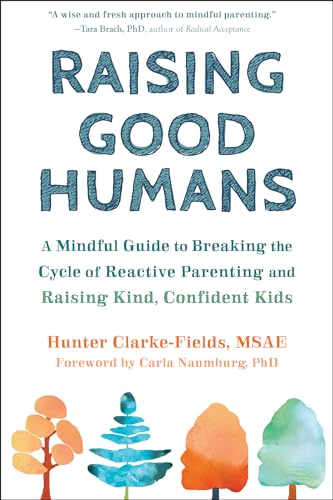


Accept that you will never see to eye to eye on everything.
Although, I can’t remember the last time we were at odds over discipline choices in a particular situation my husband and I still don’t agree 100% on everything discipline related. We’ve simply worked our lives into a comfortable compromise that centers around what is best for our children. If you’re in your first ten years of marriage and/or parenting, you may not have settled into that rhythm just yet. Give it time.
We’ve both changed our minds about things that we once held to tightly. Call it growing up, call it life lessons, call it whatever you want, but you will probably relax about some of the things you feel rigid about today and you may even become more passionate about things that you feel relaxed about right now. Don’t be afraid to change.
Moms and dads have different roles in discipline.
Moms and dads play different roles in their children’s lives. Neither role is more important than the other. While both (emotionally healthy) moms and dads provide a positive, nurturing environment for their children, each parent may go about things differently. That doesn’t make an (emotionally healthy) dad’s approach to discipline bad or dangerous.
Understanding the role of each parent in the life of a child will help you see why you and you husband may approach discipline in different ways. Different ways of handling discipline in a positive, healthy home environment helps your child to grow in maturity and see things from various points of view.
This book sheds some light on how and why moms and dads parent differently.

Try family therapy.
If you feel that your spouse is disciplining your children in a way that is damaging to your children and to your relationship, it may be time to seek family therapy. A neutral third party will be able to shed light on the situation and help you both save your relationship with each other and with your children.
If your spouse refuses to take any of the steps I listed in this article, therapy is necessary. (Even if it’s individual therapy for you.) A loving husband and father will want to come to a compromise on important issues. A husband and father with emotional issues may struggle to compromise.
Whether you and your husband disagree on one discipline tactic or have completely different parenting philosophies, you can make it work. As long as you both have your children’s best interests at heart and can articulate to each other what you disagree upon, you can begin to work toward a compromise that will keep discipline from being a point of contention in your marriage.
